Exterior paint lifespan in Dallas: what to expect on every surface
Texas sun is hard on paint. A coat that lasts 12 years in a mild climate may look tired in seven around Dallas. Here is how long each surface typically holds up and why.
Key takeaways
- Fiber cement and painted brick typically last 10 to 15 years
- South and west walls and dark colors wear out first
- Chalking, cracked caulk and peeling trim mean it is time
- Washing and caulk touchups stretch the repaint cycle
Typical lifespans by surface
These are typical ranges for a quality acrylic applied over proper prep in North Texas. Cheaper paint, poor prep, or a south or west wall in full sun will land at the short end of each range.
Painted fences and decks run on a shorter cycle still, usually 2 to 4 years, because horizontal boards take sun and standing water directly.
- Fiber cement siding: typically 10 to 15 years
- Wood siding: typically 6 to 9 years
- Painted brick: typically 10 to 15 years
- Stucco: typically 8 to 12 years, longer with an elastomeric coating
- Wood trim, fascia and soffits: typically 5 to 8 years
- Front doors facing west or south: typically 3 to 5 years
What wears paint down in Dallas
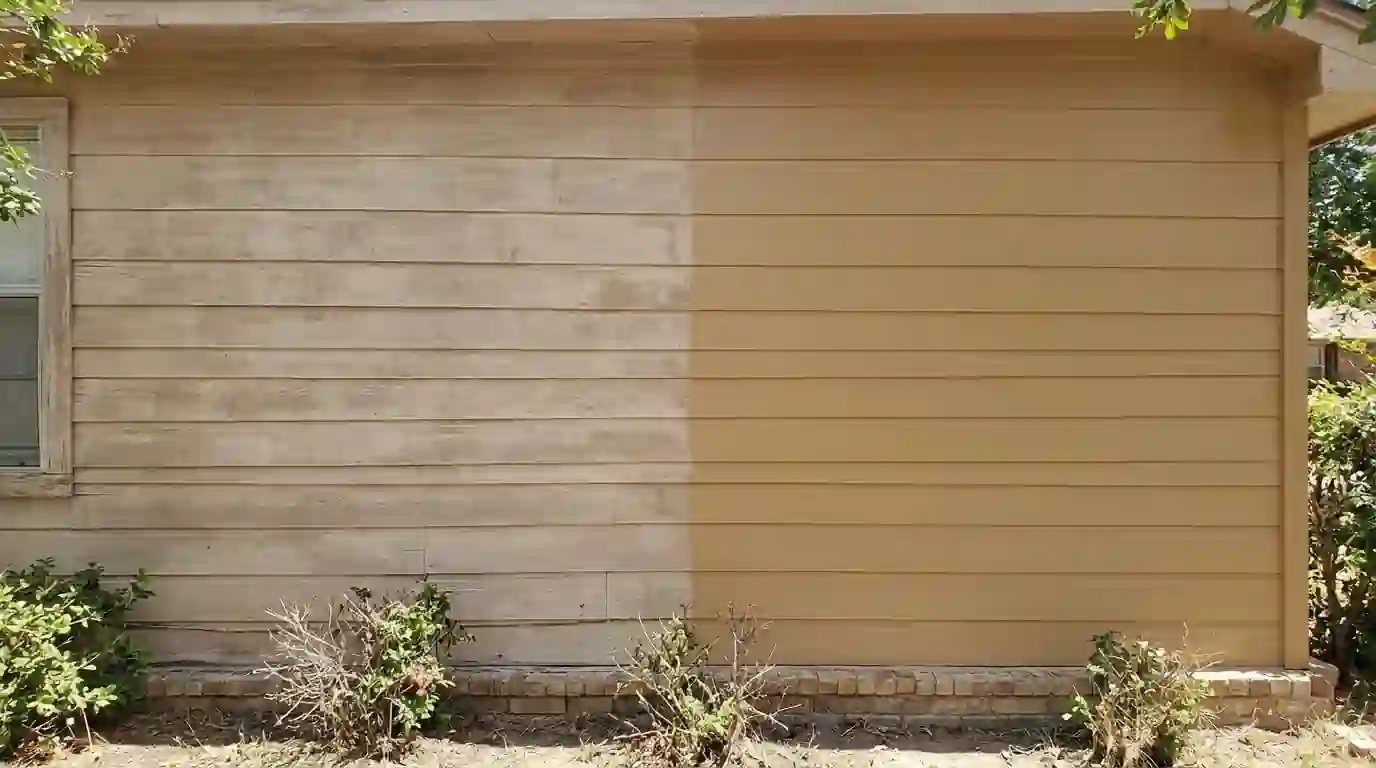
UV radiation is the main culprit. Sunlight breaks down the binder in the paint film, which leaves loose pigment on the surface. That is the chalky powder you can rub off old siding with your hand. Once a coat chalks heavily, it no longer sheds water well.
Heat cycles come next. Summer days can push surface temperatures on dark siding well past 140 F, and the material swells and shrinks with every hot day and cooler night. Over the years, that cycle cracks caulk, opens joints and stresses the film at corners and seams.
Hail, sprinklers and moisture add up. Hail chips paint on trim and garage doors. Sprinklers hitting the same wall every morning soak siding and brick near the ground. North walls that never get sun can grow mildew, which feeds on dirt in the paint surface.
Low humidity swings play a part too. Dallas can go from a muggy morning to dry, windy afternoon air in a matter of hours, and wood trim takes on and loses moisture with each swing. Over several years that movement opens nail holes and joints, which is where peeling often starts.
Why color and wall direction matter
Dark colors absorb more heat and fade faster. A deep red or navy front door on a west-facing entry can lose noticeable color in two to three summers, while the same door in a light color holds its look much longer. Many manufacturers now offer heat-reflective dark colors that run cooler.
Wall direction matters more than many homeowners expect. South and west walls in Dallas often need repainting several years before the north and east sides. A crew can repaint just the hard-hit sides and the trim between full jobs, which spreads out the cost.
Shade from mature trees in neighborhoods like Lakewood or Kessler Park slows fading, but it also keeps walls damp longer, so those sides tend to show mildew before they show sun wear.
Reflected light can also speed up wear. Walls facing a pool, a light concrete driveway or a neighbor's white wall get extra glare, and painters often see faster fading on those spots than on the rest of the same side.
Signs it is time to repaint
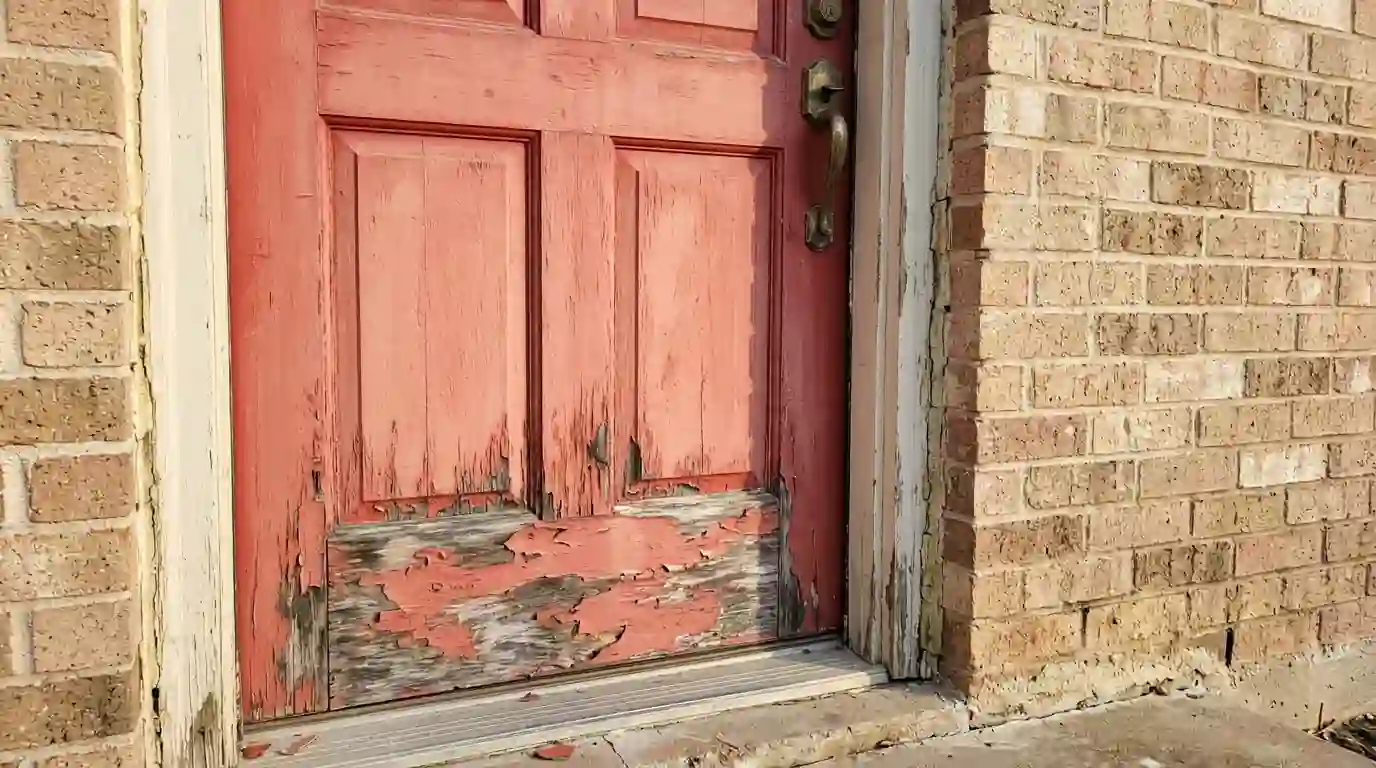
Do not wait until paint is peeling everywhere. By that point the siding or trim below has been exposed to water and sun, and prep costs more. Walk around the house every spring and check for these signs.
A simple tape test is useful. Press a strip of masking tape firmly on a painted surface, then pull it off quickly. If paint comes off with the tape, the coat has lost adhesion, and the next job will need more scraping and primer than a simple repaint.
- Chalky residue that comes off on your hand
- Fading you can see where shutters or fixtures were removed
- Cracked or missing caulk at windows, corners and trim
- Peeling or blistering on trim and fascia
- Soft or dark wood at the bottom of door jambs and fascia
- Mildew spots on north walls and under eaves
How prep and product choice change the numbers
Most early paint failures come from prep, not paint. Painting over dirt, chalk or mildew without washing, skipping primer on bare wood, or leaving old cracked caulk in place all cut years off a new coat.
Product lines matter too. Premium exterior acrylics from major brands carry more binder and better pigments, and in Dallas they often add three to five years of life over contractor-grade paint. The price difference per gallon is real, but on a typical house it is a small share of the total job.
Two finish coats also last longer than one. A single coat, even a heavy one, leaves less film for the sun to wear through. Once wood is exposed, rot is the next problem, and wood rot repair costs far more than a timely repaint.
Prep also includes fixing what causes early failure. Gutters that overflow, downspouts that dump water against the wall and sprinklers set too high all shorten paint life on the affected walls, and a new coat over those areas will fail the same way unless the water problem is handled first.
Stretching the time between repaints
Washing the house every year or two removes dirt and mildew before they damage the film. A gentle soft wash works well, while high pressure up close can scar siding and force water behind it.
Keep sprinkler heads pointed away from walls, clean gutters so they do not overflow onto siding, and trim shrubs back a foot or two from the house so walls dry after rain. Touch up caulk and small chips on trim every couple of years.
When you are ready for exterior painting, a walk-through can tell you whether the whole house needs work or just the south and west faces and the trim.
Follow-up questions
Does a more expensive paint really last longer in Dallas?
Generally yes, within limits. Premium acrylics hold more binder and higher grade pigments, so they resist chalking and fading longer under strong UV. On a typical house the paint itself is a modest part of the total price, so moving up a product line adds less than most people expect. Prep still matters more than the label.
Can I repaint only the sides of my house that look worn?
Often, yes. South and west walls fade first, and repainting those sides plus the trim can buy several years before a full repaint. The color has to be matched from a fresh sample, since the original paint will have shifted. Expect a slight difference between old and new walls until the whole house is repainted.
How does hail affect how long exterior paint lasts?
Hail chips paint on trim, gutters, garage doors and siding edges, and each chip lets water and sun reach the surface underneath. A few chips are cosmetic and easy to touch up. Widespread damage after a big storm shortens paint life noticeably, so it is worth taking dated photos of the damage right after the storm passes.
Want a painter to look at it?
Call and a person answers 24/7. We will set a walk-through and give you a written scope.