Accent Wall Painting
Single-wall color with tinted primer, full coverage in deep shades, and razor-straight lines at ceilings and corners.
See accent wall paintingA tired glaze from 2004, a flat dining room that needs character, or a damaged decorative wall that nobody seems willing to match: that is usually why people call.
Decorative finishes in Dallas typically run $6.40 to $14.75 per square foot of wall, depending on the technique and how many layers it takes. A single accent wall in a color wash can be a one-day job, while a metallic or strié dining room can take three. We make sample boards first, and the walk-through sets the real price.
Faux painting covers a lot of ground, so it helps to be specific. Most Dallas requests fall into a handful of techniques, each with its own tools, glaze mix and drying time. Some of these, like wood grain and leather, take more hours per square foot than they look like they should, so we price them by the piece rather than by the wall.
We also repair existing finishes. When a water leak or a drywall patch interrupts a 20-year-old glaze, matching the layers by eye is often cheaper than repainting the whole room.
Each technique suits a different surface. Strié needs a smooth, flat wall, while rag rolling and color washing are forgiving on older plaster with a little waviness. We will tell you which ones your walls can carry before any samples are made.
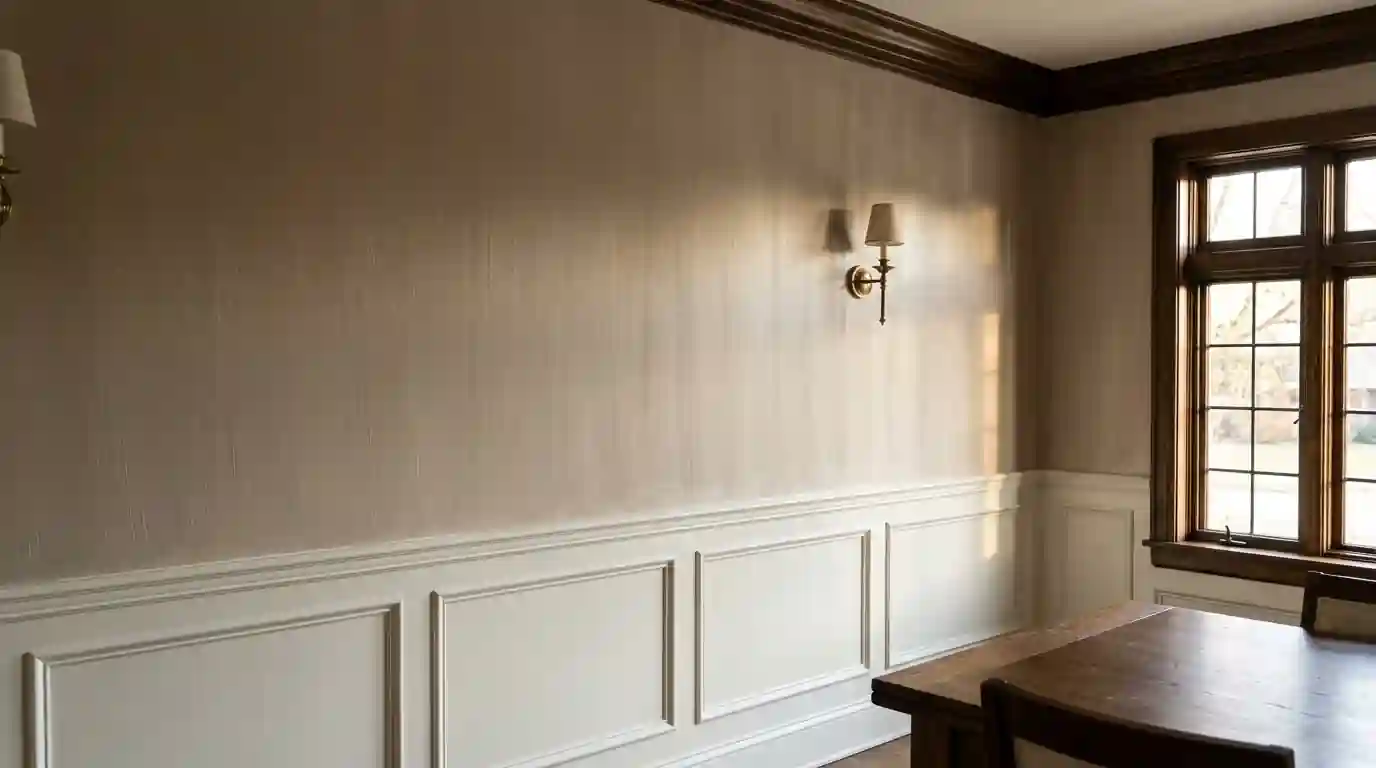
Older homes in Highland Park, Swiss Avenue and Kessler Park often have plaster walls, coffered ceilings and deep trim that suit a strié or glazed finish. On those walls a decorative layer looks like it belongs to the house instead of to a trend. Original millwork and picture rails give the finish natural stopping points, which keeps the look tidy.
In newer builds the better targets are smaller: a powder room, a dining room tray ceiling, a fireplace surround or a stair wall. A full open-concept living area in faux finish tends to feel busy, and it is expensive to undo when you sell. We usually suggest pairing one decorative wall with plain Accent Wall Painting or solid colors in the rooms around it. Kitchen islands and cabinet bases can also take an aged glaze without the cost of new cabinetry.
Dallas light is strong. A metallic glaze that looks soft in a showroom can flash hard in a west-facing room at 5 p.m., so we judge samples in your actual light before choosing. North-facing rooms are the opposite and can make a gray glaze look cold.
The walk-through sets your real number, written line by line.
Every finish starts with a properly prepared base coat. Glazes show every patch line and roller mark underneath, so walls get filled, sanded and primed first, and textured walls may need Wall Texture & Skim Coating to give the glaze a smooth surface to move on.
Glaze work depends on open time. Low indoor humidity in a Dallas summer can dry a glaze in minutes, which leaves lap marks where one section meets the next. We add extender, keep the HVAC steady and put two painters on large walls so a wet edge is always kept.
The finish is then protected where it needs it. Cabinets, chair rails and high-touch areas get a clear waterborne topcoat, while low-traffic ceilings are usually left with the glaze alone so the sheen stays soft. We leave a small labeled amount of each glaze so future touch-ups can be matched.
Many Dallas homes still carry the sponge-painted and Tuscan glazed walls that were popular twenty years ago. Painting over them is possible, but glossy glaze layers need a bonding primer or the new paint can peel off in sheets. We scuff the surface and test adhesion on a small patch before priming the room.
Heavy sponge texture usually shows through flat paint, especially under raking light from a window. In those rooms we sand the high spots, skim where the texture is deep and prime before the new color goes on.
If you would rather keep a decorative look, we can update the old finish with a lighter, quieter glaze instead of erasing it. Doors and casings around the room can be refreshed with Trim, Baseboard & Door Painting in the same visit so the new wall finish is not framed by yellowed trim. Most cover-up jobs finish in one to two days per room once prep is done.
Sponge-painted walls that date the whole room
A leak patch interrupting an old glazed finish
Dining room or library that feels flat and plain
Steel doors you want to look like stained wood
Fireplace surround or columns that need a stone look
Builder-grade cabinets you want antiqued instead of replaced
We check the wall surface, the light at different hours and how the finish will be used.
You get two or three sample boards in your colors to hold against the actual wall.
Walls are patched, sanded and primed, and a base coat goes on in the chosen sheen.
Glaze is applied and worked in sections with a kept wet edge, one layer at a time.
High-touch areas get a clear coat, and we walk the room with you in daylight.
On walls that are not scrubbed often, a well-applied glaze lasts as long as regular paint, usually until you are ready for a change. Strié and color wash finishes wear evenly, so small scuffs are hard to spot. High-touch areas like cabinet doors and stair walls get a clear topcoat so hands and cleaning do not rub through the glaze.
Usually, yes. We study the base color, the glaze tint and the tool that made the pattern, then test on a sample board before touching the wall. Matching works well for color wash, rag and strié. Older metallic finishes are harder because the products may no longer be made, and then blending the full wall section is cleaner than a spot repair.
A restrained finish in a dining room, powder room or study rarely hurts, and in historic homes it can suit the architecture. Heavy sponge or bold metallic finishes across the main living spaces are the ones buyers ask to remove. If you plan to list within a couple of years, we will point you toward finishes that are easy to paint over later.
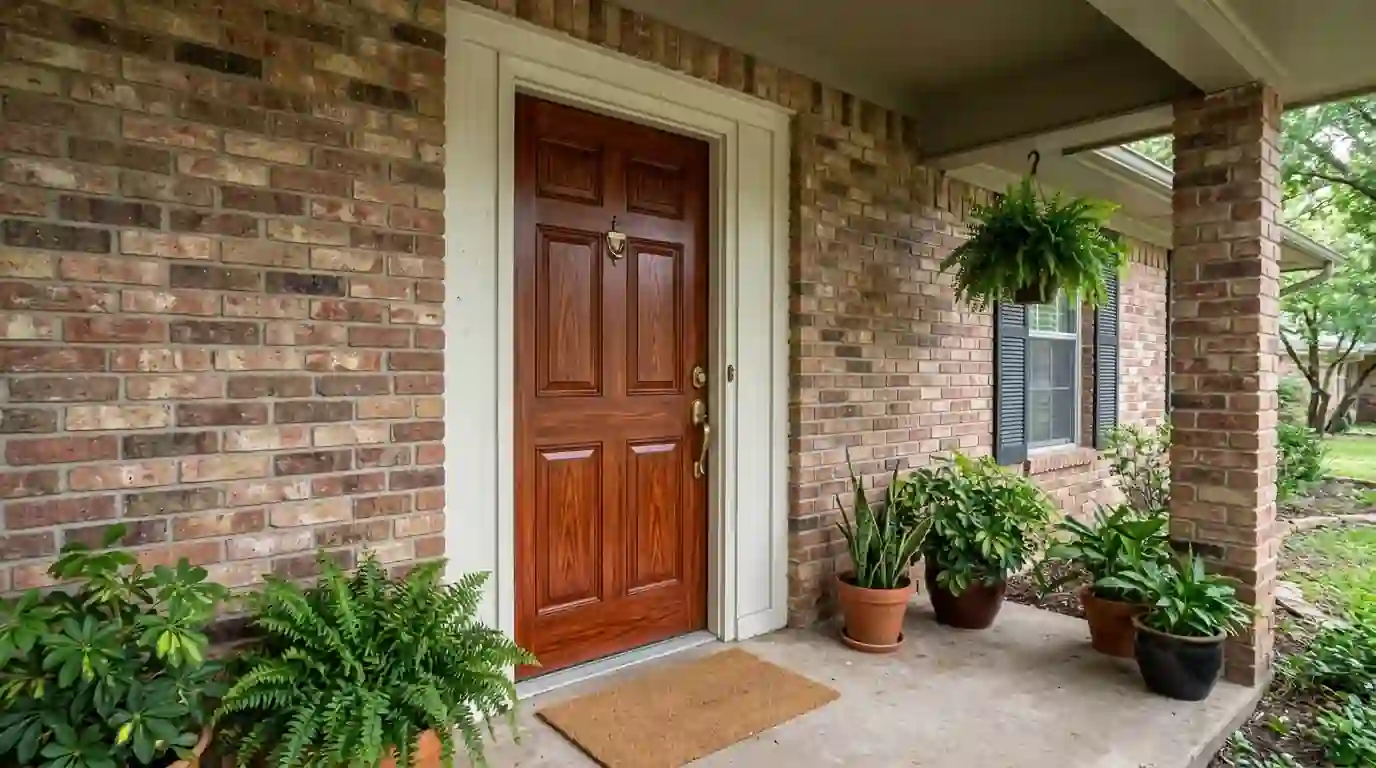
Yes. Steel and fiberglass doors take a wood grain finish well once they are cleaned, scuffed and primed. We lay a base tone, then drag and comb a darker glaze to imitate oak or mahogany grain, and seal it with an exterior clear coat. A west-facing door in Dallas sun will need that clear coat refreshed sooner than a shaded one.
Single-wall color with tinted primer, full coverage in deep shades, and razor-straight lines at ceilings and corners.
See accent wall paintingLime and acrylic polished plaster for range hoods, powder rooms and feature walls, troweled thin and burnished to your sheen.
See venetian plasterFront door repaints for steel, fiberglass and wood doors, with hardware masked, two enamel coats and the frame done to match.
See front door paintingCall and a person answers, day or night. We will set a walk-through and write up every surface before any work starts.