Wall Texture & Skim Coating
Smooth Level 5 skim coats, knockdown and orange peel matching, and texture changes, sanded and primed for paint.
See wall texture & skim coatingOld wallpaper peeling at the seams, layers of borders from past owners, and glue residue that keeps showing through paint are what most wallpaper jobs in Dallas involve.
Wallpaper removal in Dallas typically runs $1.15 to $2.70 per square foot of wall, including stripping, glue removal, and sealing torn drywall. A typical bathroom costs about $385 to $920. Paper hung on unprimed drywall, multiple layers, or heavy vinyl takes longer. Painting after removal is priced separately. The in-home walk-through sets the real number once we test the paper.
The biggest factor is what is under the paper. If the wall was primed or sized before hanging, the paper usually releases cleanly. If it was hung straight onto bare drywall, which was common in DFW homes built in the 1980s and 1990s, the glue bonds to the drywall's face and removal tears it. Older plaster walls in pre-war homes usually release paper more easily than drywall.
The type of paper also matters. Vinyl coverings often peel off in one dry layer, leaving a paper backing that soaks and scrapes easily. Grasscloth, foil, and older paper-faced patterns need more soaking. Multiple layers, sometimes three or four in older Lakewood and Oak Cliff homes, multiply the time.
We test a small area at the walk-through. That tells us how the paper releases and lets us price the job accurately instead of guessing. It also shows whether there is more than one layer hiding under the top pattern.
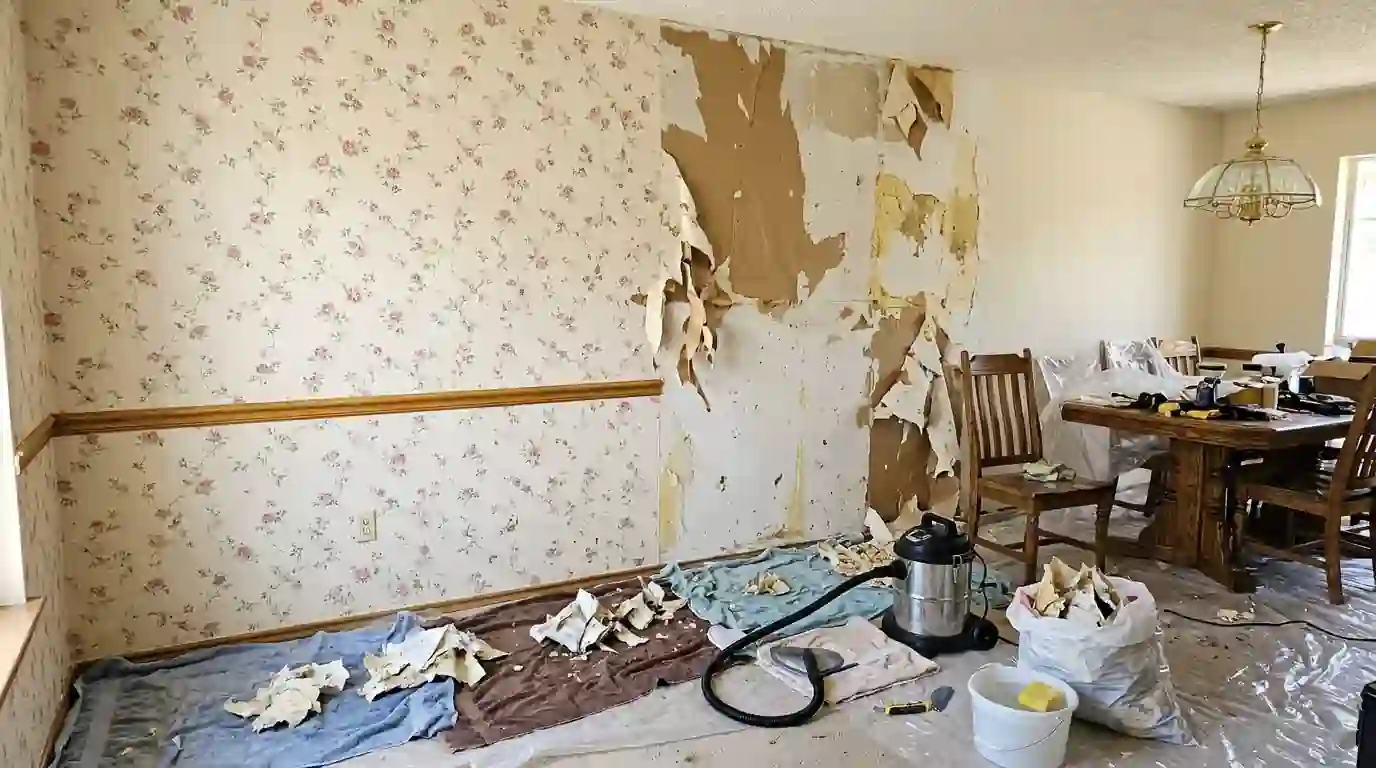
Floors are covered with plastic and towels because the process is wet. Outlets are switched off at the breaker and covered. The top layer is peeled where possible, then the backing is soaked with warm water and an enzyme remover like DIF, or softened with a steamer.
Scoring tools speed up soaking, but they punch holes into the drywall face. We avoid them or use them lightly. Patience with soaking does less damage than aggressive scraping. Steam works faster on thick paper but takes care near trim and on older plaster.
Bathrooms and kitchens may have paper over mildew. Any mold spots are cleaned and treated before the wall is sealed. Older bathroom walls are checked with a moisture meter, since a leaking shower valve can soak paper from behind.
The walk-through sets your real number, written line by line.
Leftover wallpaper paste is the hidden problem. If it stays on the wall, new paint will crack, wrinkle, or peel as the glue reactivates. We wash the walls with hot water and remover until the surface no longer feels slick, then rinse with clean water. A simple check is to run a damp hand over the wall: if it feels slippery, there is still glue on it.
Where the drywall face tore and the brown paper layer is exposed, painting or patching directly will cause bubbling. We seal those areas with a penetrating primer like Zinsser Gardz, which locks the torn paper down. Then the wall can be skimmed or patched. Gardz dries clear and hard, and it also helps compound and paint bond to the wall.
Walls with a lot of tearing, or uneven surfaces left from years of paper, often get a full skim coat. That work is covered under wall texture and skim coating, and smaller damage falls under drywall repair. On very rough walls, a full skim is often faster than dozens of small patches.
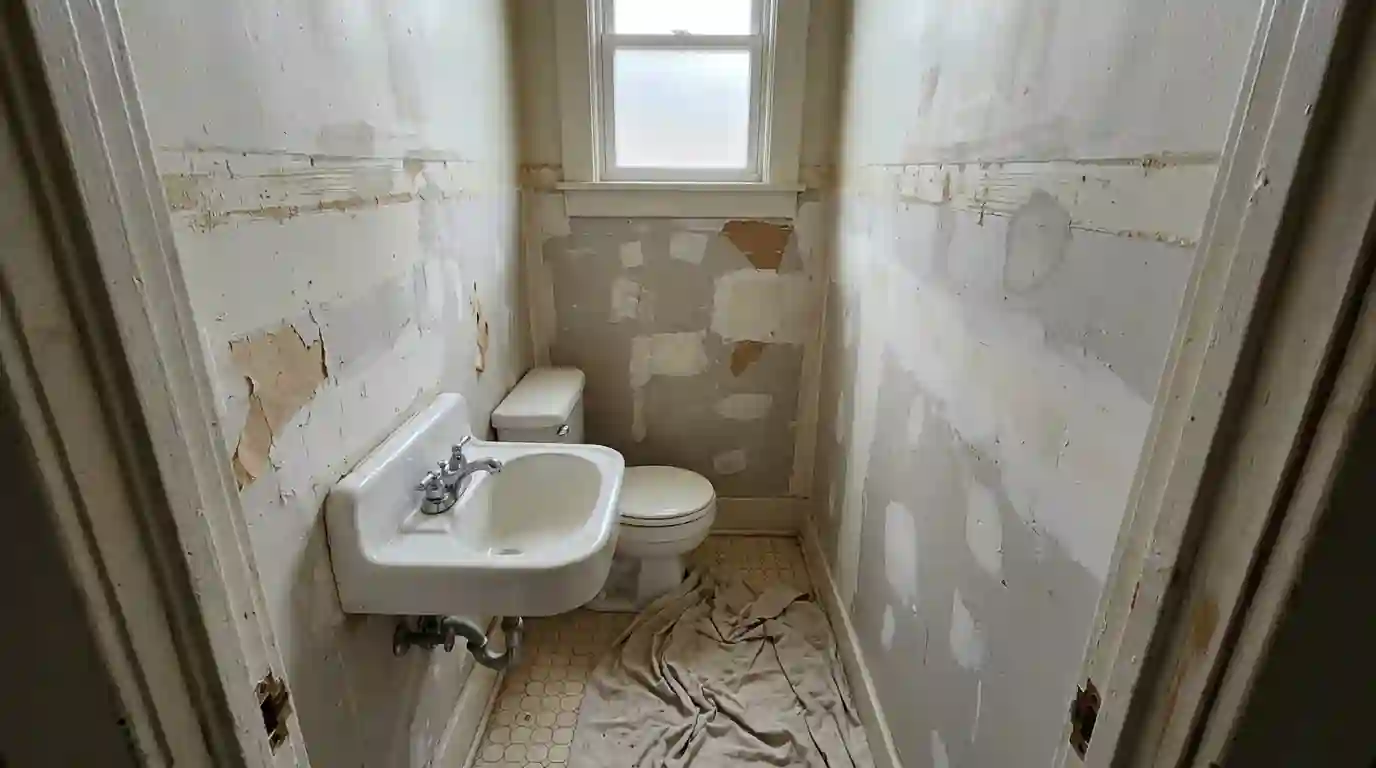
Once walls are clean, sealed, and repaired, they are ready for primer. Most homeowners have us roll right into interior painting so there are no extra days of living with bare walls. That way the primer goes on within a day or two of stripping, before the bare walls pick up dust or dents.
Dining rooms and powder baths from the 1990s are the rooms we strip most often around Dallas, followed by kitchen borders and kids' rooms. Bathrooms usually take a mildew-resistant satin once the paper is gone. Kitchens often get a scrubbable eggshell or satin, since grease and splashes need to wipe off easily.
If you are selling, removing dated wallpaper is one of the more cost-effective prep jobs before listing, since buyers tend to see it as a project they will have to take on themselves. Plain, freshly painted walls also photograph far better for listing photos than patterned paper does. In older homes, plain walls let original trim and woodwork stand out.
Seams peeling up in a bathroom or kitchen
Dated borders along ceilings or chair rails
Bubbles or wrinkles in old paper
Paint over wallpaper starting to crack
Mildew spots showing through paper in a bath
Prepping a papered house for listing
We peel and soak a small spot to see how the paper releases and what is underneath.
Floors and trim are covered, power to outlets is shut off, and furniture is moved out.
Top layers are peeled, backing is soaked or steamed, and paper is scraped off gently.
Glue residue is washed off and any torn drywall is sealed with a penetrating primer.
Damaged areas are patched or skimmed and sanded so the walls are ready for primer and paint.
It is possible, but it rarely holds up. Seams show through paint, and the moisture in latex can loosen the paper and cause bubbles. In bathrooms, shower steam makes it worse. Removing the paper costs more up front but gives a wall that will hold paint for years. We only suggest painting over paper when removal would destroy plaster in a historic home.
A typical bathroom takes one day to strip and clean, and sometimes a second day to seal and patch. A larger dining room with chair rail and borders can take two to three days. Multiple layers or paper glued to bare drywall add time. Painting is usually scheduled right after the walls are ready.
When paper is hung on unprimed drywall, the glue grips the drywall's face paper. Pulling the wallpaper off tears that face and leaves brown paper exposed. It looks rough but is fixable. Sealing with a penetrating primer and skimming the area gives you a smooth wall again, ready for primer and two coats of paint.
It is wet more than dusty. Soaked paper and glue drip down walls, so floors get plastic and towels, and the crew bags scraps as it works. Sanding afterward does create some dust, which we keep contained to the room and clean up daily. The room itself is out of use until the walls are sealed.
Smooth Level 5 skim coats, knockdown and orange peel matching, and texture changes, sanded and primed for paint.
See wall texture & skim coatingCrack, hole, and water-damage repairs taped, textured to match, primed, and painted so the patch does not show.
See drywall repair & patchingTwo-coat wall painting with real prep: crack repair, spot priming, sharp cut lines, and furniture moved and covered.
See interior house paintingCall and a person answers, day or night. We will set a walk-through and write up every surface before any work starts.